From Noise to Clarity: How Tracking My Spending Transformed Our Family’s Rhythm
Money talks—but not always clearly. For years, my partner and I kept stumbling over the same conversations: *Did we overspend? Why does the month end before the money does?* It wasn’t about lack of care—it was lack of clarity. Then I started tracking every coffee, every grocery run. Not to restrict, but to understand. What began as a simple habit quietly reshaped our days, our decisions, and even how we talk to each other. This isn’t about budgets or guilt—it’s about finding peace in the everyday. I didn’t realize it then, but that small act of writing things down was the first step toward something much bigger: a calmer home, deeper conversations, and a life that finally felt in sync.
The Hidden Rhythm of Daily Spending
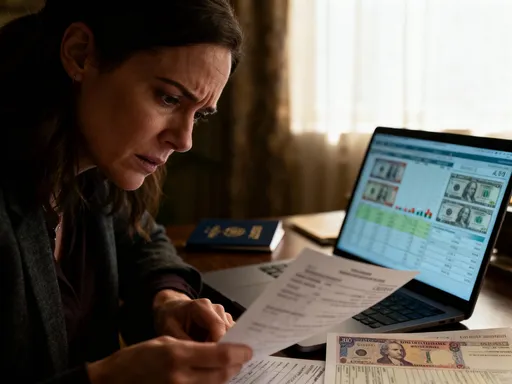
Have you ever looked at your bank statement and thought, Wait, did I really spend that much this week? I have—more times than I can count. It wasn’t luxury shopping or big vacations. It was the little things: a $4 latte on a tired morning, a quick sandwich because dinner didn’t get planned, an online order that showed up two days later with no memory of clicking 'buy'. These weren’t reckless choices. They were automatic—driven by routine, stress, or just the rhythm of a busy day. But over time, they added up in ways that left us both uneasy.
What changed was simply starting to notice. I began logging every single expense—not in a fancy spreadsheet, but in an app I could open with one hand while holding my coffee with the other. No categories at first, no guilt, just recording. And within a few weeks, a pattern emerged. I saw that on days when I skipped my morning walk, I was more likely to order lunch. That late-night scrolling often led to impulse buys—usually things we didn’t need and barely used. These weren’t just spending habits. They were reflections of how I was feeling, how tired I was, how much I was trying to soothe myself without even realizing it.
That’s when it hit me: our money wasn’t just about numbers. It was about our energy, our attention, our emotional weather. By tracking it, I wasn’t being obsessive—I was becoming aware. And awareness, I’ve learned, is the first step toward real change. It’s like turning on a light in a room you’ve been walking through in the dark. You don’t have to fix everything at once. You just need to see where you are.
A Tool That Listened Better Than I Did
I’ll be honest—I’d tried budgeting apps before. And every time, I gave up within a week. They felt like schoolteachers: red warnings, strict categories, judgmental messages like You’ve exceeded your dining-out limit! Who wants to be scolded by their phone? I didn’t need a drill sergeant. I needed a partner—one that understood life doesn’t follow a perfect spreadsheet.
Then I found an app that worked differently. It didn’t start with rules. It started with learning. It noticed that I usually shopped on Tuesday evenings after school pickup. It saw that my spending on takeout spiked during exam weeks when my daughter was stressed. It even picked up on patterns I hadn’t noticed—like how I tended to buy small comforts when I hadn’t slept well. But instead of shaming me, it asked, You’ve spent more on delivery this week. Everything okay?
That question changed everything. It wasn’t cold data. It was care. It was like the app was saying, I see you. I know life gets hard. Let’s figure this out together. And because it felt supportive, not critical, I kept using it. Over time, it learned my rhythm, and I learned to trust it. It didn’t take control of my life—it helped me reclaim it. The technology wasn’t flashy, but it was thoughtful. And in a world that often feels rushed and disconnected, that kind of quiet understanding felt like a gift.
From Tension to Teamwork: How Data Became Dialogue
Money used to be a landmine in our house. One of us would mention a bill, and the other would tense up. We weren’t fighting about the money itself—we were fighting about the fear behind it. The uncertainty. The feeling that we were both trying, but not on the same page. We loved each other, but we weren’t communicating. We were just reacting.
Then we started reviewing our spending together—just once a week, on Sunday nights. No pressure, no blame. We’d sit with tea, open the app, and just look. At first, it felt awkward. But soon, it became something we looked forward to. It wasn’t a lecture. It was a conversation. “Saw you bought new running shoes—training for something?” I asked my partner. “Yeah,” he said, smiling. “And I canceled the old gym app we forgot about. Saved us $15 a month.”
That small moment meant so much. It wasn’t about the money. It was about the connection. We were seeing each other’s choices, not judging them. We were curious, not defensive. Over time, those Sunday chats became our family’s financial heartbeat. We started celebrating small wins: You stuck to the grocery budget! We’re ahead on the vacation fund! And when something unexpected came up—a car repair, a birthday gift—we handled it calmly, because we had a clear picture of where we stood.
Tracking didn’t fix our finances overnight. But it gave us something better: trust. We weren’t guessing what the other person was thinking. We weren’t keeping secrets. We were a team. And that shift—from tension to teamwork—changed everything.
Calmer Evenings, Clearer Priorities
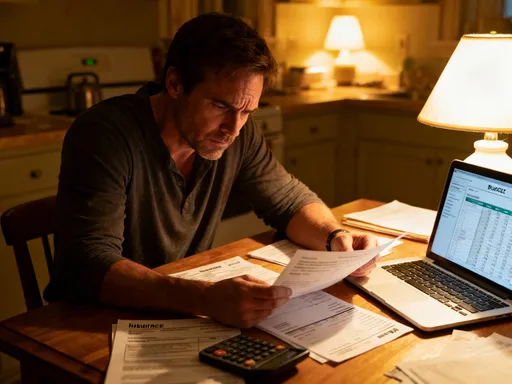
One of the most unexpected changes was how peaceful our evenings became. I used to lie in bed, scrolling through my bank app, worrying. Did we pay the water bill? Is the insurance premium due? Why is the balance so low? My mind would race, and sleep would slip away. My partner would find me staring at the ceiling and ask, What’s wrong? And I’d say, I don’t know—I just feel like we’re falling behind.
Now, that doesn’t happen. Because I *know*. I know what we’ve spent. I know what’s coming up. I know we’re on track. That knowledge didn’t come from making more money. It came from seeing what was already there. And that clarity brought calm. Our evenings are quieter now. We talk more. We laugh more. We even started planning little weekend trips—nothing fancy, just a drive to the lake or a night in a cozy cabin. But the difference is, we plan them with confidence. Not as escapes from stress, but as joys we’ve chosen and can truly enjoy.
And because we’re not constantly reacting to financial surprises, we have more energy for what matters. We cook together more. We take walks after dinner. We’ve even started a small garden—something we’d talked about for years but never had the mental space to begin. When the noise fades, space opens up. And in that space, life feels fuller, richer, more intentional.
Teaching Kids the Language of Value
One evening, my daughter handed me a receipt from the toy store. Why do you keep this? she asked. I could’ve said, It’s grown-up stuff. Don’t worry about it. But instead, I said, Let’s look at it together. We opened the app and found the purchase. Then I showed her how that one toy was about the same cost as three ice cream trips or two board games. Not to make her feel bad, but to help her see choices.
She thought for a moment and said, So if I save my allowance, I could get something bigger? Exactly, I said. And her face lit up. A few days later, she started her own little savings journal—just a notebook with stickers and stars. Every time she saved a few dollars, she’d add a star. Now, when she sees something she likes, she doesn’t beg. She says, I’m saving for the big one. And she says it with pride, not frustration.
This wasn’t about teaching her to say no. It was about teaching her to choose. And that’s a skill that will serve her for life. We don’t hide money from our kids—we include them in the conversation. We talk about trade-offs, about waiting, about what things are worth. Not in a lecture, but in real moments: at the grocery store, while planning a family outing, when deciding how to spend gift money. These aren’t lessons about scarcity. They’re lessons about power—the power to decide, to plan, to dream.
The Unexpected Gift: Emotional Balance
I never thought tracking my spending would help with anxiety. But it did. I started to see connections I’d missed before. Like how I’d buy little things—candles, bath salts, a new mug—on days when I felt overwhelmed. Not because I needed them, but because I was trying to comfort myself. The app didn’t stop me. It just showed me the pattern. And once I saw it, I could make a different choice.
Now, when I feel that urge to shop, I pause. I ask myself, What do I really need right now? Sometimes it’s a walk. Sometimes it’s a call with a friend. Sometimes it’s just five minutes of quiet. I’m not perfect—I still click 'buy' sometimes. But now, I do it with awareness, not autopilot. And that makes all the difference.
My relationship with money has changed. It’s no longer a source of stress or shame. It’s a tool—a way to care for my family, to plan for the future, to live with intention. I don’t have more money than I did a year ago. But I feel richer. Because I’m not just earning and spending. I’m paying attention. And in that attention, I’ve found a kind of peace I didn’t know was possible.
A New Normal: Living in Sync With What Matters
This journey wasn’t about cutting back. It wasn’t about living with less. It was about living with purpose. Now, when we spend, it’s not random. It’s aligned. We spend on things that bring us closer: family dinners, weekend hikes, books for the kids, music lessons, time together. The app runs quietly in the background, like a gentle companion. It doesn’t control us. It helps us stay aware.
Our rhythm is steadier now. Our conversations are warmer. We still have busy days, unexpected costs, moments of stress. But we face them with clarity, not fear. We know where we stand. We know what matters. And we’re making choices that reflect that.
Technology didn’t fix our lives. But it helped us listen—really listen—to our habits, to each other, to ourselves. And in that listening, we found something rare and beautiful: clarity. Not perfection. Not a perfect budget or a spotless bank statement. But the quiet confidence that comes from knowing you’re living in step with what truly matters. And that, more than any number, is the real measure of a life well-lived.