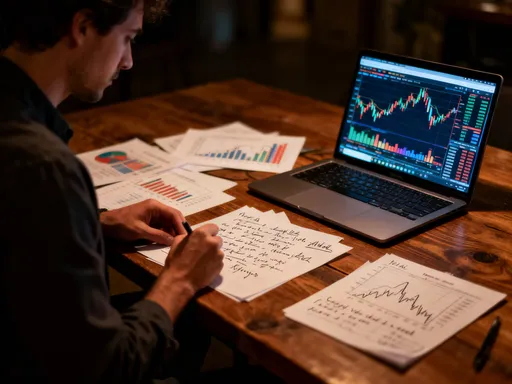
How I Built My Travel Fund While Riding Market Waves
What if your dream vacation could grow while you sleep? I used to think travel funds were just about cutting lattes and saving scraps. But after diving into market trends and rethinking my strategy, I discovered a smarter way. It’s not just saving—it’s aligning small financial moves with bigger economic shifts. No get-rich-quick schemes, just practical steps that actually work. Let me show you how I turned passive habits into real progress toward my next adventure.
The Problem with Traditional Travel Saving
For years, the standard advice for building a travel fund was simple: save a little each month, skip the daily coffee, and avoid impulse purchases. While frugality has its place, this approach often falls short because it fails to account for two silent wealth eroders—inflation and opportunity cost. Money stored in a basic savings account may feel safe, but over time, its purchasing power diminishes. A dollar today might buy a sandwich, but in five years, it might not even cover a bottle of water at the airport. That reality hit me when I planned a trip to Portugal and realized my carefully saved $3,000 had lost nearly 10% of its real value due to inflation over three years. I wasn’t saving enough—I was saving inefficiently.
What changed my perspective was understanding that time is not neutral in personal finance. Every dollar not working for you is, in effect, losing ground. The traditional model treats a travel fund like a piggy bank—an inert container where money waits patiently until needed. But in a world where economies evolve, interest rates shift, and industries grow, this passive approach limits potential. I began to see my travel fund not as a static goal but as a dynamic project, one that could benefit from the same forces shaping broader financial markets. Instead of merely setting money aside, I wanted it to grow—modestly, responsibly, but steadily.
This shift didn’t mean abandoning budgeting. Discipline is still essential. But I realized that discipline could be applied not just to spending, but to investing—placing money in vehicles that respond to economic trends while remaining aligned with a mid-term goal. A vacation two years away doesn’t require the same strategy as retirement 30 years off, but it also shouldn’t be treated like emergency cash. I needed a middle path—one that balanced safety with growth, structure with flexibility. That’s when I began exploring how market-aware saving, rather than purely reactive cutting, could transform the way I funded my travels.
Aligning Your Fund with Market Trends
Markets are not random—they move in patterns influenced by economic cycles, consumer behavior, and policy changes. Recognizing this opened a new door for me. Rather than fearing volatility, I started viewing it as a rhythm to work with, not against. For example, during periods of rising interest rates, certain fixed-income assets tend to perform better, while in times of strong consumer spending, dividend-paying companies often see steady gains. These aren’t speculative insights; they are observable trends supported by decades of financial data. I didn’t need to predict the future—just understand the present well enough to make informed choices.
One of the first trends I tracked was the shift in consumer spending after economic reopenings. As travel demand surged post-pandemic, I noticed that sectors like hospitality, transportation, and leisure experienced sustained growth. This didn’t mean I invested directly in airlines or hotels—those can be volatile. Instead, I looked at broad-based exchange-traded funds (ETFs) that included these industries as part of a diversified portfolio. By aligning my contributions with macroeconomic momentum, I allowed my fund to benefit from broader recovery trends without taking on excessive risk.
Another key trend was interest rate movements. When the Federal Reserve raised rates to manage inflation, I shifted a portion of my fund into short-term bond funds. These instruments typically offer higher yields in rising rate environments and are less sensitive to price swings than long-term bonds. This wasn’t market timing—it was trend alignment. I wasn’t trying to buy at the bottom or sell at the top. I was adjusting my allocation based on conditions that were already in motion. Over time, this approach provided more stability and slightly higher returns than a standard savings account, without exposing me to the wild swings of aggressive investments.
The beauty of this method is that it doesn’t require constant monitoring. I reviewed economic indicators quarterly—consumer price index reports, employment data, and central bank announcements. These sources are publicly available and reliable. By staying informed but not obsessive, I maintained a balanced perspective. The goal wasn’t to become a financial analyst, but to be aware enough to make smarter decisions. This awareness transformed my travel fund from a passive savings goal into an active financial project—one that responded to the world around it.
Choosing the Right Growth Tools (Without Taking Big Risks)
When your goal is a vacation, not retirement, your investment choices must reflect both timeline and risk tolerance. I knew I couldn’t afford to lose a significant portion of my fund in a market downturn just months before a planned trip. So, I ruled out high-volatility assets like individual tech stocks or speculative cryptocurrencies. Instead, I focused on low-to-moderate volatility instruments that offered steady growth potential. My core holdings included dividend-paying ETFs, short-to-medium-term bond funds, and broad-market index trackers. These are not glamorous, but they are reliable.
Dividend-paying ETFs became a cornerstone of my strategy. These funds invest in companies with a history of paying consistent dividends, often in stable sectors like utilities, consumer staples, and healthcare. While they may not soar during bull markets, they tend to hold value better during downturns and provide regular income. I reinvested those dividends automatically, which compounded my gains over time. For example, a fund yielding 3% annually may not sound impressive, but when reinvested over two years in a rising market, it contributed significantly to my fund’s growth without requiring additional savings.
Short-to-medium-term bond funds were another key component. Unlike long-term bonds, which can lose value when interest rates rise, these funds have shorter durations and adjust more quickly to rate changes. I allocated about 40% of my fund to this category, especially during periods of rising rates. The returns were modest—typically between 2% and 4% annually—but they were predictable and low-stress. In contrast, a high-yield savings account might offer 1.5% to 2.5%, so the bond funds provided a meaningful upgrade without major risk.
Finally, I used diversified index trackers to gain exposure to the broader market. Instead of betting on single stocks, I chose funds that mirrored the S&P 500 or total stock market indices. These instruments spread risk across hundreds of companies, reducing the impact of any single failure. I didn’t expect to get rich from them, but I did expect—and receive—long-term growth that outpaced inflation. By combining these three tools, I created a balanced portfolio tailored to a 1- to 3-year horizon. The result was a travel fund that grew steadily, avoided major losses, and remained on track even when markets fluctuated.
Automating for Consistency, Not Perfection
I’ll admit it—I’m not perfectly disciplined. There are months when unexpected expenses arise, or when I’m simply too busy to think about my investments. That’s why automation became my most powerful tool. I set up automatic transfers from my checking account to my investment account on the same day I received my paycheck. This ensured that saving and investing happened before I had a chance to spend the money. I started small—just $100 per month—but made it consistent. Over time, I increased the amount as my income allowed, but the system remained the same: set it, forget it, and let it work.
Beyond regular contributions, I also automated investment decisions. Using a brokerage platform with recurring buy options, I scheduled monthly purchases of my chosen ETFs and bond funds. This practice is known as dollar-cost averaging—buying a fixed dollar amount of an asset at regular intervals, regardless of price. The benefit is psychological as much as financial. When markets dip, I buy more shares for the same amount of money. When markets rise, I buy fewer—but I never try to time the market. This removed emotion from the equation and prevented me from making impulsive decisions during volatile periods.
I also built in flexibility. For example, if my account balance dipped due to a market correction, I didn’t panic or stop contributing. Instead, I viewed it as an opportunity—my automated buys were acquiring assets at lower prices. Conversely, when the market was strong, I didn’t feel the need to chase higher returns by switching strategies. The system was designed to smooth out fluctuations over time, not maximize short-term gains. This consistency, not perfection, became the foundation of my progress.
Automation also helped me avoid lifestyle inflation. As my income grew, I increased my automatic contributions before adjusting my spending habits. This ensured that a portion of every raise went directly into my travel fund. Over two years, this simple rule allowed me to double my monthly investment without feeling any financial strain. The result was a fund that grew not because I became more frugal, but because I became more systematic. Discipline wasn’t about willpower—it was about design.
Protecting Your Fund from Common Pitfalls
One of the biggest threats to any financial goal isn’t market risk—it’s behavioral risk. Early in my journey, I nearly derailed my progress by succumbing to fear of missing out. When cryptocurrency prices surged in 2021, I felt tempted to divert a large portion of my travel fund into a popular digital asset. A friend had made a quick profit, and the headlines were full of stories about overnight millionaires. I hesitated, then almost acted. Thankfully, I paused and asked myself one question: Would I still be okay with this decision if the value dropped by 50% tomorrow? The answer was no. That moment of clarity saved me from a costly mistake.
From that experience, I established simple but effective rules. First, no single investment could exceed 10% of my total fund. This rule ensured diversification and limited exposure to any one asset. Second, I committed to reviewing performance only once per quarter. Frequent checking led to emotional reactions—joy during gains, anxiety during losses. By limiting my reviews, I focused on long-term trends rather than daily noise. Third, I avoided leveraged or complex products like options or margin trading. These tools amplify both gains and losses, and they have no place in a goal-based fund like a travel account.
I also learned to distinguish between information and hype. Financial media often amplifies extreme narratives—“This stock will explode!” or “The market is crashing!”—but most of it is noise. Instead, I relied on trusted sources like government economic reports, fund prospectuses, and independent financial research. This helped me stay grounded and avoid chasing trends that didn’t align with my goals. Risk control isn’t exciting, but it’s essential. It’s the seatbelt on a long financial journey—the thing that keeps you safe when the road gets bumpy.
Another safeguard was maintaining a cash buffer. As my trip approached, I gradually shifted a portion of my fund into a high-yield savings account. This provided liquidity and peace of mind, ensuring I wouldn’t have to sell investments at a loss if markets dipped right before booking. This transition happened in stages—25% six months out, 50% three months out, and the remainder as final payments came due. This glide path protected my fund while still allowing growth during the earlier years.
Tracking Progress Beyond the Balance Sheet
It’s easy to become obsessed with the number in your account—the ever-upward climb of the balance. But I found that focusing solely on dollars made the goal feel abstract. To make it real, I started tracking “trip readiness” instead. I broke down the cost of my dream vacation—flights, accommodations, meals, activities—and created a progress bar. Each month, I updated it based on my fund’s value. When I hit 50%, I allowed myself to research destinations more deeply. At 75%, I booked a refundable hotel. At 90%, I purchased plane tickets. These milestones turned a financial goal into a tangible journey.
I also adjusted my contributions seasonally. During months when I received bonuses or tax refunds, I made one-time additions to my fund. This accelerated progress without disrupting my regular budget. Conversely, during holiday seasons or family events, I temporarily reduced contributions if needed. This flexibility prevented burnout and kept me committed long-term. The key was consistency over time, not rigid adherence to a fixed amount every single month.
To stay motivated, I created a vision board—digital and private—featuring images of my destination, local cuisine, and cultural experiences. I reviewed it whenever I felt discouraged. This emotional connection reminded me why I was doing this. It wasn’t just about money; it was about freedom, exploration, and creating memories. That deeper purpose made the financial discipline feel meaningful, not burdensome.
I also celebrated small wins. When my fund outperformed inflation for the year, I treated myself to a nice dinner—not with travel money, but with regular income. These rewards reinforced positive behavior without compromising the goal. Over time, I developed a healthy relationship with money—one where saving and investing felt empowering, not restrictive.
From Planning to Passport Stamps: Making It Real
All the strategy, tracking, and discipline meant nothing until I actually booked the trip. When my fund reached 105% of my target, I began the process of liquidation. I didn’t sell everything at once. Instead, I took a phased approach—first selling the assets that had performed best, as they were likely overvalued. I kept a small portion invested in case of a rebound, but moved the majority into cash over a six-week period. This reduced timing risk and ensured I had funds available when payments were due.
Booking the trip was a surreal moment. I entered my card details not with anxiety, but with confidence. This wasn’t money I had scraped together—it was money I had grown. The flight confirmation email felt like a victory letter. During the trip, every experience—from tasting fresh pastries in Lisbon to watching the sunset over the Atlantic—carried a deeper meaning. I wasn’t just a tourist; I was someone who had designed a system and followed through. That sense of agency changed how I viewed money forever.
Since then, I’ve applied the same framework to other goals—a home renovation, a family gathering, even a sabbatical. The principles remain the same: align with trends, choose appropriate tools, automate consistently, protect against pitfalls, and measure progress meaningfully. This isn’t about getting rich. It’s about gaining control. It’s about turning everyday decisions into future freedom. Your next adventure might be closer than you think—not because you’ve cut every expense, but because you’ve learned to let your money work for you.
Building a travel fund doesn’t have to mean deprivation. By understanding market trends, choosing appropriate tools, and staying disciplined without being rigid, you can grow your money purposefully. The journey isn’t about hitting a number—it’s about designing a system that turns everyday decisions into future freedom. Your next adventure might be closer than you think.