Why Kindergarten Costs Are Rising — And How to Stay Ahead
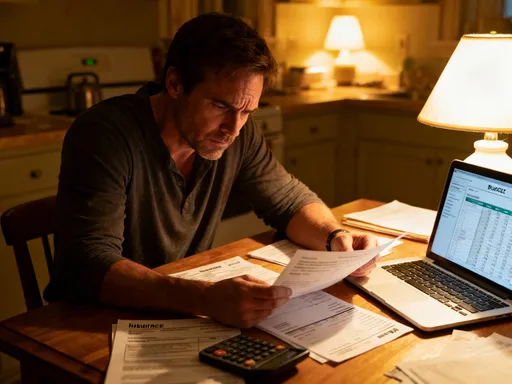
You’ve probably noticed how fast kindergarten expenses are climbing. I did — and it hit harder than expected. What started as a simple budget line turned into a financial reality check. With shifting trends in early education, families need practical strategies now more than ever. This isn’t just about tuition; it’s about planning, foresight, and smart choices. Let’s explore what’s really driving these costs and how you can prepare without stress. The numbers are clear: over the past decade, average annual spending on kindergarten and preschool programs has increased by nearly 40% in many urban and suburban areas, far outpacing general inflation. For families already balancing household budgets, this upward pressure can feel overwhelming. But understanding the reasons behind rising costs — and taking practical steps early — can make a meaningful difference. This article breaks down the key financial forces shaping early education, reveals hidden expenses often overlooked, and offers a clear path toward smarter planning. The goal is not to eliminate cost, but to gain control, reduce uncertainty, and make decisions that support both your child’s development and your family’s long-term stability.
The Growing Weight of Early Education Costs
Over the past ten years, early education has transformed from a supplemental service into a cornerstone of family financial planning. What many once considered an optional or temporary arrangement has become a near-universal expectation, especially in communities where full-day kindergarten is not yet standard in public schools. As demand has grown, so have the costs. According to national education expenditure data, the average annual cost of full-time kindergarten or pre-K programs now ranges from $8,000 to $18,000, with some private institutions charging significantly more. In high-cost metropolitan areas, families routinely pay over $20,000 per year for what was once seen as a brief transitional year before first grade. This escalation is not arbitrary; it reflects real investments in infrastructure, staffing, and curriculum development that schools must make to meet modern educational standards.
One major driver of rising fees is the increasing emphasis on qualified, certified educators. Unlike in previous decades, when kindergarten instructors might have held minimal formal training, today’s programs often require teachers with early childhood education degrees, specialized certifications, and ongoing professional development. These credentials come at a cost — not just in salaries, but in the administrative support needed to maintain compliance and quality. Additionally, many schools have upgraded their facilities to include secure outdoor play spaces, technology-equipped classrooms, and sensory-friendly learning environments. These improvements enhance safety and engagement but require substantial capital investment, which is typically passed on to families through tuition increases.
Another contributing factor is the rising cost of operational compliance. Schools must adhere to strict health, safety, and licensing regulations, which vary by state and locality. These include requirements for staff-to-child ratios, background checks, facility inspections, and emergency preparedness plans. While these standards are essential for child welfare, they add layers of administrative and financial burden. Insurance premiums, utility costs, and supply expenses have also climbed in recent years, further pressuring school budgets. As a result, institutions that once operated on modest margins now face the difficult choice of raising prices or cutting services — and most choose the former to maintain quality.
Finally, parental expectations have played a significant role in shaping the market. As research continues to underscore the importance of early brain development, more families view kindergarten not as childcare, but as the first critical phase of academic preparation. This shift in perception has fueled demand for programs that offer enriched curricula, small class sizes, and individualized attention. In response, schools have expanded their offerings, creating a competitive landscape where premium services command premium prices. While this benefits children in many ways, it also creates financial pressure on families who feel they must choose the “best” option, even when it stretches their budgets. Recognizing these systemic forces is the first step toward making informed, sustainable financial decisions.
Why Kindergarten Is No Longer “Just Playtime”
Gone are the days when kindergarten meant little more than circle time, nap schedules, and coloring sheets. Today’s programs are structured learning environments that lay the foundation for future academic success. Modern curricula are carefully designed to develop literacy, numeracy, problem-solving, and social skills during a child’s most formative years. Many schools now incorporate early reading instruction, phonics programs, and math readiness activities that were once reserved for first or second grade. Science and technology are also gaining ground, with some classrooms introducing basic coding, robotics, or nature-based STEM projects tailored to young learners. These enhancements reflect a growing understanding of cognitive development and the long-term benefits of early academic engagement.
Equally important is the focus on social-emotional learning (SEL), a component now considered essential in quality early education. Children are taught how to identify emotions, manage frustration, resolve conflicts, and work collaboratively — skills that support both classroom behavior and long-term emotional resilience. Teachers use structured activities, guided discussions, and mindfulness exercises to build these competencies, often integrating them into daily routines. Research shows that children who develop strong SEL skills in kindergarten are more likely to succeed academically, maintain positive relationships, and avoid behavioral issues in later years. Schools that prioritize these outcomes invest in trained staff and evidence-based programs, which contribute to higher operational costs — and, consequently, higher tuition.
Another significant shift is the inclusion of language development beyond basic English. Bilingual programs, dual-language immersion, and foreign language exposure — such as weekly Spanish or Mandarin lessons — are increasingly common, especially in diverse or academically competitive communities. These offerings are designed to give children a cognitive and cultural advantage, preparing them for a globalized world. While not all families can afford such programs, the perception that they offer long-term benefits drives demand and justifies premium pricing. Additionally, many schools now integrate technology into daily learning, using tablets, interactive whiteboards, or educational apps to reinforce concepts in engaging ways. These tools require not only hardware and software investments but also staff training and technical support, all of which add to the overall cost structure.
The transformation of kindergarten into a rigorous academic experience means that parents are no longer simply paying for supervision — they are investing in a structured, outcomes-driven program. This shift changes the financial calculus for families. While the benefits are real, so are the costs. Parents must weigh the value of an enriched curriculum against their financial capacity, recognizing that not every feature justifies a higher price tag. The key is to understand what a program truly offers and whether it aligns with your child’s needs and your family’s priorities. By focusing on measurable outcomes rather than marketing buzzwords, families can make smarter, more sustainable choices.
The Hidden Costs Nobody Talks About
When parents review a kindergarten tuition statement, they often assume that number represents the full cost. In reality, it’s usually just the beginning. Beyond the base fee, a range of additional expenses can quietly erode a family’s budget. These hidden costs are rarely highlighted in brochures or enrollment packets, yet they can add thousands of dollars to the annual bill. One of the most common is the supply fee — a seemingly small charge that can cover everything from art materials and classroom books to specialized learning kits and hygiene products. While some schools provide these items directly, others require families to purchase them annually, with costs ranging from $100 to $300 depending on the program’s scope.
Field trips are another area where expenses accumulate. While occasional outings to a local farm, museum, or nature center may seem minor, the associated costs — transportation, admission, meals, and chaperone expenses — are typically passed on to parents. Over the course of a year, these excursions can total $500 or more, especially in schools that emphasize experiential learning. Some programs even include overnight trips or multi-day excursions for older kindergarten students, which dramatically increase the financial burden. Additionally, technology fees are becoming more prevalent. Schools that use digital learning platforms may charge for device rentals, software licenses, or internet access, particularly if families do not own compatible equipment at home.
After-school care is perhaps the most significant hidden cost for working families. Many kindergarten programs operate on a half-day schedule, leaving parents to cover the gap between school dismissal and the end of the workday. Extended-day options, enrichment classes, or private childcare can add $200 to $600 per month — a figure that rivals or even exceeds the cost of tuition itself. Some families turn to informal arrangements, such as shared babysitting or family support, but these solutions are not always reliable or available. The lack of affordable, full-day public kindergarten in many areas forces parents into difficult trade-offs between work, income, and child supervision.
Other overlooked expenses include uniforms or dress code requirements, which can cost $200 to $400 for a complete set, and extracurricular add-ons like music lessons, sports clinics, or language clubs. Registration fees, application deposits, and non-refundable enrollment charges also contribute to the upfront financial commitment. In some cases, schools require families to participate in fundraising events or make voluntary donations, creating social pressure to contribute beyond what they can comfortably afford. Taken together, these costs can increase the total annual expense by 25% or more. The solution is not to avoid quality programs, but to plan comprehensively. By mapping out all potential expenses before enrollment, families can build a realistic budget and avoid the stress of unexpected charges.
Smart Planning: Building a Sustainable Education Fund
The most effective way to manage rising kindergarten costs is to start planning early — ideally, years before enrollment. Waiting until the year before kindergarten to begin saving puts families at a significant disadvantage, as they must make up for lost time with larger, more stressful monthly contributions. A better approach is to treat early education as a long-term financial goal, similar to saving for a home or retirement. By setting aside even modest amounts consistently, families can harness the power of compound growth and reduce the burden when expenses come due. The key is not the size of the contribution, but the consistency and timing of the savings.
One practical tool is a dedicated education savings account. While 529 plans are commonly associated with college, many states allow these accounts to be used for K-12 expenses, including private kindergarten tuition, up to a certain annual limit. Contributions grow tax-free, and withdrawals for qualified educational expenses are not taxed, making this a powerful option for long-term planning. Even if a family ultimately chooses a public or community-based program, having a dedicated fund provides flexibility and peace of mind. For those who prefer more accessible options, a high-yield savings account or automatic transfer plan can also be effective. The goal is to make saving automatic and routine, reducing the temptation to redirect funds to other short-term needs.
Another strategy is to align savings with income growth. As household earnings increase — through promotions, career changes, or additional income streams — families can allocate a fixed percentage of the raise to education savings. This method allows savings to grow without impacting current lifestyle or budgeting. For example, committing 25% of every raise to a kindergarten fund ensures that savings keep pace with financial progress. Additionally, windfalls such as tax refunds, bonuses, or gift money can be directed toward the fund, accelerating progress without requiring ongoing sacrifice.
Planning also involves researching costs in advance. Families should begin gathering tuition data from local schools at least two to three years before enrollment. This allows time to compare options, understand fee structures, and identify programs that offer value without unnecessary extras. Some schools provide sibling discounts, early payment incentives, or sliding-scale tuition based on income, which can significantly reduce costs for eligible families. By starting early and staying informed, parents can make intentional choices rather than reactive ones, ensuring that financial constraints do not limit educational opportunities.
Risk Control: Avoiding Financial Overextension
Enrolling a child in a prestigious kindergarten program can feel like a win — until the monthly bills start arriving. Many families overcommit financially, driven by social pressure, fear of missing out, or the belief that a higher price tag guarantees better outcomes. While quality education is important, it should not come at the expense of long-term financial health. Overextending for kindergarten can lead to increased stress, debt accumulation, and difficult trade-offs in other areas, such as retirement savings, home maintenance, or emergency preparedness. The goal is not to avoid investment, but to invest wisely — with clear boundaries and a realistic assessment of value.
One effective risk control strategy is to set a budget ceiling before researching schools. This means determining, in advance, the maximum amount your family can afford to spend without compromising other financial goals. Once that limit is established, it becomes a filter for evaluating options. If a program exceeds the budget, it should be ruled out — regardless of reputation or peer recommendations. This approach reduces emotional decision-making and keeps choices grounded in financial reality. It also encourages families to look for high-quality programs within their price range, rather than assuming that cost equals quality.
Another key practice is evaluating the true return on investment. Not every expensive program delivers proportionally better outcomes. Parents should ask specific questions: What curriculum is used? What are the teacher qualifications? What are the class sizes? How are children assessed? Are there measurable results, such as literacy rates or school readiness scores? Programs that can provide clear, data-driven answers are more likely to offer real value. Conversely, schools that rely heavily on marketing language without concrete evidence may be charging more for prestige than performance.
It’s also important to recognize that affordability does not mean inferiority. Many public, community-based, or nonprofit programs offer excellent early education at a fraction of private school costs. Some even partner with local universities or childcare networks to provide trained staff and enriched curricula without the premium price. By expanding the search beyond private institutions, families can find options that meet both educational and financial needs. Saying no to an overpriced program is not a failure — it’s a responsible financial decision that protects the family’s future.
Investment Mindset: Education as Long-Term Value
While kindergarten tuition is an expense, it can also be viewed as a strategic investment in a child’s future. Research consistently shows that high-quality early education leads to better academic performance, higher graduation rates, and improved social outcomes. Children who attend strong kindergarten programs are more likely to read at grade level by third grade — a critical milestone linked to long-term success. They also tend to require fewer special education services, reducing potential costs for families and schools down the line. By supporting cognitive and emotional development early, families help set the stage for a lifetime of learning and achievement.
From a financial perspective, this early investment can yield indirect savings over time. For example, a child who enters first grade with strong literacy and numeracy skills may not need tutoring, remedial classes, or academic interventions later. Similarly, children with well-developed social skills are less likely to experience behavioral challenges that could lead to disciplinary actions or school transfers. These avoided costs, while not immediately visible, represent real financial and emotional relief for families. Over the long term, the benefits of early education can extend into higher education and career opportunities, further amplifying the return on investment.
Adopting an investment mindset shifts the conversation from short-term cost to long-term value. Instead of asking, “How much does this program cost?” families begin to ask, “What will this program help my child achieve?” This perspective encourages more thoughtful decision-making and reduces the tendency to overspend on superficial features. It also aligns with broader financial principles, such as prioritizing high-impact spending and avoiding impulse purchases. When education is seen as a foundation rather than a luxury, families are more likely to make choices that are both responsible and rewarding.
Moreover, the stability and routine provided by a strong kindergarten experience can benefit the entire household. Children who feel confident and supported in school are less likely to bring stress home, reducing parental anxiety and improving family dynamics. Parents gain peace of mind knowing their child is in a safe, nurturing environment, which can improve work performance and overall well-being. These intangible benefits, while difficult to quantify, are an essential part of the investment equation. By focusing on holistic development, families create a ripple effect that extends far beyond the classroom.
Staying Ahead of the Curve: Adapting to Change
The landscape of early education is not static — it continues to evolve in response to technological advances, demographic shifts, and economic pressures. Families who stay informed and adaptable are better positioned to manage costs without sacrificing quality. One emerging trend is the rise of hybrid learning models, which combine in-person instruction with online components. These programs can reduce overhead costs for schools, allowing them to offer lower tuition while still providing structured curricula and teacher support. For families, hybrid options may offer greater scheduling flexibility and reduced transportation expenses.
Micro-schools are another growing alternative. Typically serving small groups of children in home-based or community settings, these programs emphasize personalized learning, low student-teacher ratios, and parent involvement. Because they operate with lower overhead, they often charge less than traditional private schools while maintaining high educational standards. Co-op preschools, where parents share teaching and administrative responsibilities, also offer a cost-effective model that fosters community engagement. These alternatives may not suit every family, but they provide viable options for those willing to explore beyond conventional choices.
Timing can also be a powerful tool in cost management. Some schools offer early enrollment discounts or reduced rates for siblings. Others may have waitlists that clear in the summer, creating opportunities for last-minute placements at standard rates. Families who are flexible with start dates or willing to consider less popular programs can often find better value. Additionally, staying connected to local parenting networks, school boards, or community centers can provide early access to information about new programs, subsidies, or financial aid opportunities.
Ultimately, staying ahead requires a combination of research, flexibility, and long-term thinking. By monitoring trends, evaluating options critically, and planning proactively, families can navigate rising costs with confidence. The goal is not to spend the most, but to spend wisely — ensuring that every dollar supports a child’s growth while preserving the family’s financial health. With the right strategies, it is possible to provide a strong educational foundation without financial strain.