From Overlooked to Optimized: How Tech Transformed My Pointless Points into Real Perks
Ever found yourself staring at a screen full of membership points you’ll never use? I used to ignore mine—until I realized they were quietly gathering dust while I overspent elsewhere. What if those forgotten digits could actually ease your weekly budget, upgrade your coffee, or even fund a family outing? This isn’t about extreme couponing or complex hacks. It’s about smart, simple coordination that turns passive points into active benefits—effortlessly. And it all started with one awkward moment at the grocery store, a rainy afternoon, and a realization that changed how I see technology, money, and even motherhood.
The Cluttered Wallet Syndrome: When Loyalty Points Become Invisible Burden
We’ve all been there—rushing through a store, scanning our phone for a loyalty card, only to fumble through ten different apps before giving up and using cash. I used to collect points like souvenirs: a little here, a little there, from grocery stores, pharmacies, coffee shops, and gas stations. I’d sign up for a new rewards program with good intentions, swipe my card a few times, and then forget about it. Over time, I had points scattered across more apps than I could count—tiny digital balances trapped in digital silos.
At first, it didn’t seem like a big deal. Who really needs five extra dollars in frozen yogurt credits? But the truth is, those small amounts add up. More importantly, the mental clutter they created was exhausting. Every time I saw a notification from a loyalty app, I felt a little pang of guilt. I knew I should check it, but I didn’t have the time or energy to log in, figure out my balance, and see if I could actually use it. And so, the cycle continued: sign up, earn a little, forget, repeat.
What I didn’t realize was that I wasn’t just losing money—I was losing peace of mind. Each unused point was a tiny promise I’d made to myself and broken. I wanted to be the kind of person who managed things well, who stretched every dollar, who didn’t waste opportunities. But without a system, I was setting myself up to fail. The problem wasn’t that I lacked loyalty to the brands I shopped with. It wasn’t even that the rewards weren’t valuable. The real issue was visibility. I couldn’t manage what I couldn’t see. And I certainly couldn’t benefit from what I didn’t know I had.
This isn’t just a personal story—it’s a common experience. Millions of people earn loyalty points every day, only to let them expire unnoticed. Studies show that nearly half of all earned rewards go unredeemed each year. That’s not because people don’t care. It’s because the systems are designed to be fragmented. Each company wants you to focus on their app, their program, their rewards. But life isn’t fragmented. Our budgets, our families, our time—they all exist in one world. So why should managing our benefits be any different?
A Wake-Up Call: The Grocery Trip That Changed Everything
It was a rainy Tuesday afternoon, the kind where everything feels a little heavier. I was at the checkout with my cart full of groceries—milk, bread, fruit, snacks for the kids, a few things for dinner. The total came to $80. As the cashier scanned my last item, she smiled and said, “You’re just 200 points away from a free loaf of bread and a jar of peanut butter. Would you like to redeem them today?”
I froze. I had no idea I was that close. I didn’t even remember which program she was talking about. I mumbled something about not having my card with me—technically true, since it was buried in my phone’s wallet app, lost among a dozen others. I paid with my card, thanked her, and walked out with my bags, feeling a strange mix of embarrassment and frustration.
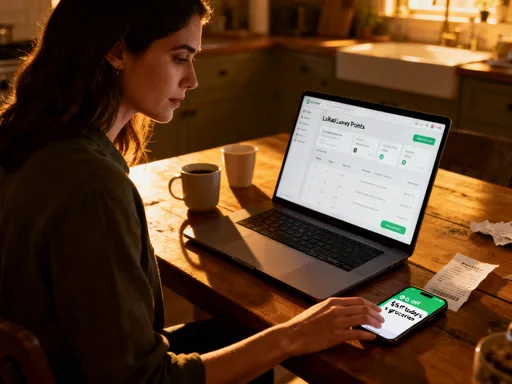
That night, after the kids were in bed, I sat at the kitchen table with a cup of tea and decided to do a full audit. I opened every single loyalty app I’d ever downloaded. I scrolled through grocery stores, pharmacies, gas stations, coffee shops, even a bookstore I hadn’t visited in years. And what I found shocked me. Across 15 different programs, I had over $200 in unredeemed points. Not all of it was usable right away, but a good portion of it was—enough for a free week of groceries, or a small family outing, or even a gift for someone I loved.
That moment hit me harder than I expected. It wasn’t about the money, not really. It was about responsibility. I work hard to stretch our budget, to make thoughtful choices, to teach my kids about value and gratitude. But I’d let disorganization waste real value—value I could have used to make life a little easier, a little brighter. I thought about that loaf of bread and jar of peanut butter. My son loves that combo. I could have brought it home as a surprise, a little treat earned without spending a single extra dollar. Instead, I’d missed it—because I wasn’t paying attention.
That night, I made a promise to myself: no more wasted opportunities. I didn’t need to become a rewards expert or spend hours hunting for deals. I just needed a way to see what I already had and use it wisely. And that’s when I started looking for a better way—a tool that could bring order to the chaos.
Enter the Coordinator: How One App Brought Order to Chaos
I didn’t want another app. I wanted less, not more. But I needed something that could connect the dots—something that could pull all my loyalty points into one place, like a digital concierge for my everyday spending. I started researching and testing a few different options. Some were too complicated, filled with jargon and features I didn’t need. Others were too limited, only working with a handful of retailers.
Then I found one that felt different. It wasn’t flashy or aggressive. It didn’t promise overnight riches or secret hacks. Instead, it offered something simple: visibility. I connected it to my email, and within minutes, it started pulling in my loyalty accounts—automatically detecting programs I was enrolled in, based on past purchases and sign-ups. I was amazed at how many I’d forgotten about. There it was: my grocery store points, my pharmacy balance, even the coffee shop rewards I hadn’t touched in months.
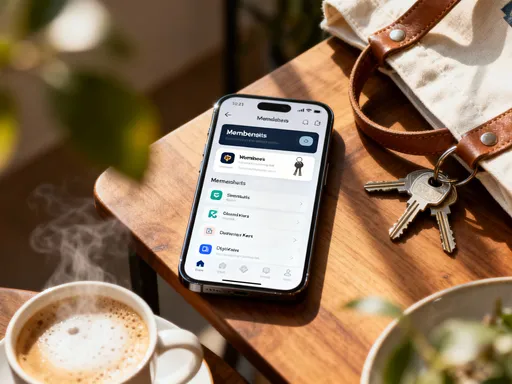
Suddenly, everything was in one place. No more logging in and out of apps. No more guessing how close I was to a reward. My total point value was right there on the dashboard, updated in real time. But the real magic was in the alerts. The app would notify me when I was close to earning a reward, when points were about to expire, or when combining balances from different programs could unlock something bigger. For example, I discovered that if I used my grocery points with a small top-up from my gas rewards, I could get a $25 gift card to a family-friendly restaurant.
This wasn’t about gaming the system. It was about coordination. The app didn’t earn me more points—it helped me use the ones I already had. And that shift in mindset was powerful. I stopped seeing loyalty programs as scattered, confusing perks and started seeing them as a unified system—one that could actually work for me, not against me. It was like someone had handed me a map to a treasure I didn’t know I owned.
What surprised me most was how little time it took to manage. Once set up, the app ran quietly in the background, doing the tracking so I didn’t have to. I didn’t need to obsess over every point. I just needed to check in occasionally, review the alerts, and make a few small decisions. It was low effort, high reward—exactly what I needed as a busy mom with a million other things on my mind.
Making It Personal: Linking Points to Daily Wins
The real breakthrough came when I stopped thinking of points as abstract numbers and started linking them to real-life moments. I remember one afternoon, my daughter was asking for a smoothie from her favorite café. I checked the app and saw we were just ten points short of a free one. Instead of saying no or just buying it, I said, “Let’s earn it together this week.”
We made it a little game. Every time we shopped at the grocery store or filled up the car, we’d check how close we were. When we finally hit the goal, we went to the café as a mini celebration. She was so proud—“We did it with points, Mom!” That moment meant more than the smoothie. It was a shared win, a tiny victory that brought us closer.
My husband got in on it too. He loves his morning pastry from the bakery near his office. I showed him how he could use his points to get one free each month. At first, he was skeptical. “Is this really worth the effort?” he asked. But after his first redemption, he smiled and said, “Okay, I’m in.” Now he checks the app himself, looking for ways to use his points without spending extra.
These weren’t grand rewards—no free vacations or luxury items. But they were meaningful. They were the small joys that make daily life feel lighter, more manageable. And because we were using points we’d already earned, there was no guilt, no overspending. Just quiet satisfaction.
What I love most is how the app became part of our family rhythm. It wasn’t just a tool for saving money—it became a way to create connection. We talk about it at dinner sometimes. “Did you use any points today?” “What should we redeem next?” It’s become a quiet thread in the fabric of our lives, a small way we practice intentionality together.
Beyond the Perks: How Coordination Builds Confidence
Managing my points taught me something unexpected: it gave me back a sense of control. Each time I redeemed a reward, it felt like a small win—not just over my budget, but over the chaos of daily life. I wasn’t just saving a few dollars. I was proving to myself that I could organize, that I could follow through, that I could make things work.
This confidence started to spill over into other areas. I began applying the same logic to meal planning—using a simple app to track what we had and plan meals around it. I started tracking bills more carefully, setting up reminders so nothing slipped through the cracks. Even gift shopping became easier. Instead of scrambling last minute, I’d use my points to save for thoughtful gifts over time.
It wasn’t about perfection. There were still weeks when I forgot to check the app or missed an expiration. But I learned to forgive myself and keep going. Progress, not perfection. That’s the mindset that stuck.
What I realized is that small acts of coordination build self-trust. Every time I follow through on a small promise—to myself or my family—I reinforce the belief that I can handle what life throws at me. And that belief is priceless. In a world that often feels overwhelming, having a system that works quietly in the background gives me a sense of quiet mastery. I’m not just surviving. I’m making thoughtful choices, one point at a time.
Setting It and Forgetting It: Building a Maintenance Routine
The system only works if it’s sustainable. I learned that early on. At first, I was checking the app every day, almost obsessively. But that wasn’t realistic. Life is busy. I needed a routine that fit into my real life, not one that added more stress.
So I created a simple ritual: Sunday evenings with a cup of tea. While the house settles down, I spend about ten minutes reviewing the app. I check for alerts, see what’s close to expiring, and plan any redemptions for the week ahead. I archive rewards we’ve used and celebrate the ones we’ve earned. It’s not a chore. It’s a moment of calm, a small act of care for myself and my family.
The key is balance—automation plus intention. The app does the heavy lifting, tracking points and sending alerts. But I stay engaged enough to make decisions and enjoy the process. I’ve turned notifications into gentle nudges, not demands. If I miss a point here or there, I don’t stress. I just keep going.
I’ve also learned to celebrate the small wins. A free coffee. A discounted grocery run. These might seem minor, but they’re proof that the system works. And over time, those small wins add up—to savings, to peace of mind, to a sense of quiet confidence.
A Lighter Life: What We Gain When Tech Handles the Details
Looking back, the real reward wasn’t the free coffee or the grocery discounts. It was the peace of mind. Knowing that my points were being tracked, that I wasn’t wasting opportunities, that I had a system in place—that lifted a quiet burden I didn’t even know I was carrying.
Technology, at its best, doesn’t complicate life. It simplifies it. It handles the details so we can focus on what matters—our families, our well-being, our joy. By coordinating what I already had, I gained time, clarity, and a deeper sense of control. I didn’t need to do more. I just needed to use what I already had, more wisely.
This journey wasn’t about becoming a rewards expert. It was about becoming a more intentional person. It was about using technology not as a distraction, but as a helper—a quiet ally in the everyday work of motherhood, budgeting, and living well.
So if you’re sitting on a pile of unused points, feeling overwhelmed or unsure where to start, I want you to know: it’s never too late. You don’t need to be tech-savvy or spend hours managing it. You just need one tool that brings it all together, and a few minutes a week to stay on track. Because every point you redeem isn’t just a savings. It’s a small act of care—for your wallet, your time, and your peace of mind.
And sometimes, that’s the greatest perk of all.