It’s Not Just a Shopping List: How These Apps Helped Me Learn, Grow, and Stay Sane
Have you ever stood in the grocery aisle, staring blankly at your phone, wondering what you were supposed to buy? I’ve been there—more times than I’d like to admit. What started as a simple way to remember milk and bread slowly became something bigger. These little apps didn’t just organize my list—they quietly reshaped how I plan, learn, and care for myself and my family. It’s not magic; it’s smart design meeting real life. And honestly, it changed everything.
The Moment I Realized My List Was Failing Me
I used to think I was good at keeping things together. I managed school pickups, doctor appointments, laundry cycles, and dinner prep like a pro—or at least that’s what I told myself. But then one Tuesday night happened. I got home late, tired from a long day of errands and back-to-back Zoom calls for a volunteer committee I help run. My teenage daughter asked, 'Did you get the gluten-free pasta I asked for yesterday?' I froze. I had gone to the store. I came home with bags full of things—organic apples, almond milk, even those fancy tea bags she likes—but no pasta. Not even close.
She didn’t yell. She didn’t have to. The quiet disappointment in her voice was enough. I felt that familiar knot tighten in my stomach. It wasn’t just about the pasta. It was about forgetting something important again. It was the third time that week I’d come home missing a key ingredient. Once it was the chicken for stir-fry. Another time, the laundry detergent. Each time, I told myself, 'Next time, I’ll write it down better.' But I never did. My old method—a torn piece of paper stuck to the fridge with a magnet—wasn’t working. Items got smudged, lists were lost, and by the time I got to the store, I was guessing.
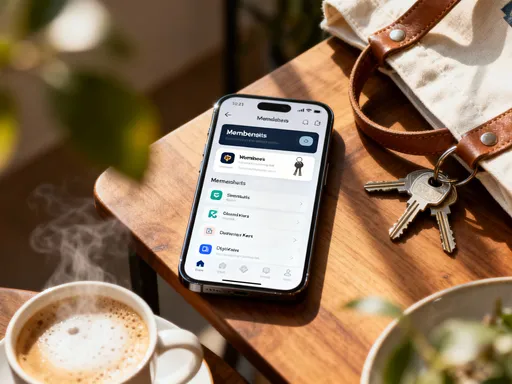
That night, I sat at the kitchen table with a cup of chamomile tea, scrolling through my phone. I wasn’t looking for anything in particular—just trying to wind down—when I saw an ad for a shopping list app. It looked simple. Clean interface. Color-coded categories. Voice input. I rolled my eyes a little. 'How much could a list app really help?' But something about it felt different. Less like a gadget, more like a helper. So I downloaded it. Not because I thought it would change my life, but because I was tired of feeling like I was always one forgotten item away from falling apart.
From Chaos to Calm: Building a Smarter Routine
The first week using the app felt awkward. I kept forgetting to open it. I’d remember something while driving and think, 'Oh, we need eggs,' but by the time I parked, the thought was gone. Then I discovered the voice feature. Now, while folding laundry or stirring soup, I just say, 'Hey phone, add eggs to the grocery list.' And just like that, it’s saved. No typing. No stress. It felt like having a quiet assistant who was always listening.
What surprised me most wasn’t the convenience—it was how quickly the app started to reduce my mental load. Before, I carried the weight of remembering everything: what we were out of, what we’d need for Friday’s dinner party, whether we had enough toilet paper to last the week. My brain was like an overfilled closet, with thoughts spilling out at the worst times. Now, that list lives outside my head. I don’t have to hold onto it. I can let go.
And that freedom made space for other things—like actually enjoying my evenings instead of mentally reviewing tomorrow’s to-dos. I started using the recurring items feature for basics like milk, bread, and dish soap. I created a 'Weekly Staples' list that auto-populates every Sunday. I even added a 'Snacks for School' section so I wouldn’t forget granola bars or fruit cups when packing lunches. Over time, these small automations added up. I wasn’t just saving time—I was saving energy. And for someone who runs a household, energy is everything.
Teaching Myself Without Even Trying: The Hidden Learning Curve
Here’s something I never expected: I started learning things about myself and my family just by using the app regularly. At first, it was subtle. I noticed we kept buying the same brands over and over. Then I realized we were spending a lot on pre-cut vegetables—convenient, yes, but expensive. One week, I decided to track how much we actually used. I started adding estimated prices to items as I added them. Not perfectly, just roughly—$3 for apples, $5 for chicken, $2 for tortillas.
After a few weeks, I exported the data (yes, the app lets you do that!) and looked at our spending patterns. I was shocked. We were spending nearly $150 a week on groceries, and about $40 of that was on convenience foods—pre-packaged snacks, frozen meals, single-serve yogurts. I didn’t set out to become a budget tracker, but the app made it so easy to see what was happening. And once I saw it, I couldn’t unsee it.
So I made small changes. I started buying whole vegetables instead of pre-cut. I swapped individual yogurts for a large tub. I planned three meals a week around what was on sale. None of these were drastic moves, but over time, our weekly bill dropped by $25. That’s $1,300 a year—enough for a weekend getaway or a new family activity. But more than the money, I felt smarter. More in control. I wasn’t just feeding my family—I was thinking about how I was feeding them.
The app also helped me become more mindful about portions. I started noticing how long a bag of rice lasted, or how many times we actually used that jar of sauce. I began adjusting quantities—buying smaller packs of meat, smaller boxes of cereal. I even started using the meal planner feature to map out dinners for the week. At first, it felt like homework. But soon, it became a kind of meditation. Choosing meals, balancing proteins and veggies, making sure we had variety—it felt creative. And when the week went smoothly, it felt like a win.
Family Sync: When Everyone’s on the Same List
One of the biggest shifts happened when I invited my husband and daughter to join the shared list. I was nervous at first—what if they didn’t use it? What if they added weird things? But I reminded myself: this wasn’t about control. It was about connection. So I sent the invite. And within minutes, my daughter added 'avocados (the ripe ones!)' and a new brand of protein bar she wanted to try. My husband added coffee filters and a box of matches for the backyard fire pit.
That night, at dinner, we actually talked about groceries. Not in a stressed-out way, but in a 'hey, we’re all in this together' way. My daughter said, 'Mom, you forgot the hummus last time. Can you add it to the list now?' And instead of feeling defensive, I just opened the app and typed it in. No drama. No guilt. Just teamwork.
Over time, the shared list became a kind of family bulletin board. My husband started marking items as 'bought' when he picked them up. My daughter added notes like 'need this for science project' next to poster board and glue sticks. We even created a 'Wishlist' section for non-essentials—things like new kitchen towels or a fancy cheese for guests. It became a space where we could express needs and wants without pressure.
And here’s the thing: it reduced conflict. No more 'I told you we needed dish soap!' or 'Why did you buy the crunchy peanut butter when I only eat smooth?' Because everything was visible. Everything was shared. We weren’t guessing what the other person needed—we could see it. And that small shift made a big difference in how we communicated. It wasn’t just about groceries. It was about respect. About showing up for each other.
Skill Stacking: How a Simple App Became a Life Organizer
I’ll admit it—I got a little obsessed. Once I saw how much easier the shopping list made one part of my life, I started wondering: what else could it help with? So I created new lists. A 'Household Supplies' list for things like light bulbs, batteries, and cleaning refills. A 'Gift Ideas' list where I jot down things people mention—'I love that lavender candle' or 'I’ve been wanting to try that new cookbook.' A 'Travel Packing' list that I customize for each trip.
Each list served a different purpose, but they all shared the same benefit: they got things out of my head and into a safe, organized space. I stopped worrying about forgetting the kids’ swim goggles on vacation. I didn’t panic when the vacuum bag ran out—I had it on the list. And when my sister’s birthday came up, I already had three gift ideas saved.
But the real surprise was how these lists started building skills I didn’t know I needed. Foresight. Planning. Prioritization. I began thinking ahead more—like adding 'buy school supplies' in early July instead of scrambling in August. I started grouping errands: if I was going to the hardware store, I’d check the list for nails, paint, or a new showerhead. I even used the location-based reminder feature so the app would ping me when I passed the pharmacy or post office.
It wasn’t just about efficiency. It was about intentionality. I was no longer reacting to life. I was preparing for it. And that shift changed how I showed up—as a mom, as a partner, as a person. I felt more capable. More grounded. And honestly, a little proud of myself.
The Quiet Confidence of Being Prepared
There’s a feeling I can’t quite describe—the moment I walk into the store with my list already loaded, items checked off as I go. No rushing back and forth. No standing in the dairy aisle trying to remember if we needed butter. No last-minute panic at checkout when I realize I forgot the soy sauce. Everything is there. Everything is planned.
It sounds small. Maybe even silly. But that feeling? It’s peace. It’s confidence. It’s knowing I’ve got this. And that quiet assurance spills into other parts of my life. When I handle grocery shopping with ease, I feel like I can handle other things too—like helping my daughter with her college applications or planning a family reunion. It’s not that the app solves everything. It’s that it gives me a foundation. A starting point. A sense of order in a world that often feels chaotic.
I’ve also noticed I’m more present. Instead of mentally reviewing my list while folding laundry, I can actually enjoy the rhythm of the task. Instead of worrying about what’s for dinner, I can laugh with my family at the table. The mental space the app freed up? I’m using it for joy. For connection. For breathing.
And that, more than anything, is what I value. It’s not just about being organized. It’s about being at peace. It’s about feeling like I’m not just surviving the day—but living it.
More Than an App: A Gentle Companion in Daily Growth
If you’d told me a year ago that a shopping list app would help me feel more confident, more mindful, and more connected to my family, I’d have laughed. But here we are. This little tool didn’t just change how I shop. It changed how I think. How I plan. How I care.
I’ve stopped seeing it as just an app. I see it as a quiet companion—a gentle nudge toward better habits, smarter choices, and deeper awareness. It doesn’t judge me when I forget. It doesn’t scold me when I overspend. It just holds the space, waits patiently, and helps me get back on track.
And in a way, it’s taught me how to be that kind of companion to myself. Patient. Supportive. Encouraging. I’ve learned that growth doesn’t have to be loud or dramatic. It can be quiet. Consistent. Built in small moments—like adding an item to a list, checking it off, and smiling because you remembered.
So if you’re feeling overwhelmed, if you’re tired of forgetting, if you’re carrying the weight of everything in your head—try this. Start with one list. One small change. Invite someone to share it. See what happens. You might not notice the shift right away. But over time, you’ll feel it. In your calm. In your confidence. In the quiet joy of knowing you’ve got this.
Because it’s not just a shopping list. It’s a step toward the life you want—one small, smart choice at a time.