What If Your Family Could Earn Rewards Every Time You Sat Down to Dinner?
Imagine this: it’s a busy weeknight, the kids are hungry, and no one feels like cooking. You’re about to order takeout—again—when you remember the loyalty points piling up on your grocery app. What if, instead of letting them expire, you could turn dinner into a family win—saving money, reducing waste, and making meal planning effortless? This isn’t magic. It’s smart tech working quietly in the background, turning ordinary moments into small victories. And the best part? You don’t need to be a tech expert to make it work. You just need to know how to tap an app, scan a card, and celebrate the little wins together.
The Chaos of Family Dinners (And Why It Costs More Than Just Time)
Let’s be honest—dinner time can feel like a never-ending relay race. One minute you’re chopping vegetables, the next you’re answering homework questions, and then—oh no—the milk is spoiled. Again. How did that happen? You bought it just last week. This kind of frustration isn’t rare. In fact, it’s the daily reality for so many families juggling jobs, school, and after-school activities. The pressure to get a healthy, satisfying meal on the table every night can leave anyone feeling drained.
But here’s something most of us don’t think about: the hidden cost of that chaos. It’s not just the $15 wasted on spoiled yogurt or the $30 spent on last-minute takeout. It’s the mental load—the constant planning, the forgotten items, the duplicate purchases because you couldn’t remember what was already in the pantry. Studies show that the average household throws away about 25% of the food they buy, often because of poor planning or lack of awareness. That’s hundreds of dollars lost every year, not to mention the environmental impact.
And it’s not just about money. The stress of last-minute decisions and forgotten ingredients can turn a simple meal into a source of tension. You might find yourself snapping at your partner for not picking up onions, or sighing when the kids reject the meal you spent an hour preparing. Over time, these small moments add up, chipping away at the peace and connection you want around the dinner table. What if there was a way to reduce that stress—not by doing more, but by working smarter?
How Membership Points Work—Without the Headache
Here’s the good news: you’re probably already earning rewards and not even realizing it. Most major grocery stores, pharmacies, and even gas stations have loyalty programs. You swipe a card or use an app at checkout, and points start adding up. But so many of us treat these programs like afterthoughts—signing up on a whim, forgetting the password, or missing redemption deadlines. The truth is, these points are more than digital dust. They’re real value, quietly building in the background.
Think of membership points like a piggy bank for your everyday life. Every time you buy groceries, fill up your tank, or pick up toothpaste, you’re not just spending money—you’re also earning a little something back. It’s not about getting rich. It’s about turning routine purchases into small rewards that actually matter. For example, a family that spends $150 a week on groceries could earn enough points in six months to cover an entire week’s worth of meals. That’s like getting one week free—just for shopping where you already do.
The best part? You don’t need to change your habits to make it work. Most programs are designed to be simple. You download the store’s app, link your phone number or card, and start earning automatically. No extra steps. No complicated rules. And unlike cashback credit cards, which require you to pay off balances to avoid interest, loyalty points come with zero risk. They’re a bonus, not a debt. The key is consistency—using the same store, the same app, and checking in regularly to see what you’ve earned.
And let’s be real—life is busy. You don’t have time to track every point or memorize every promotion. That’s where smart tools come in. Many apps now send friendly reminders when your points are about to expire or when you’re close to a reward. Some even show you how close you are to a free rotisserie chicken or a $10 gift card. It’s like having a helpful friend whispering, “Hey, don’t forget—your hard-earned points are waiting.”
Turning Dinner into a Family Team Effort
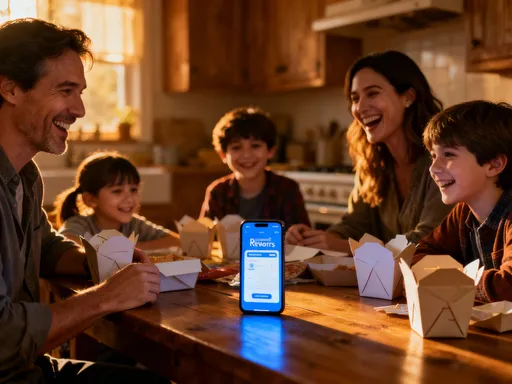
Now, here’s where it gets fun. What if your family didn’t just earn points—you *celebrated* them together? That’s exactly what’s happening in homes where parents turn loyalty rewards into a shared mission. Instead of treating points as a solo adult chore, they make it a family game. One mom in Ohio started a “Dinner Dollars” chart on the fridge. Every time the family reached 500 points, they got to choose a fun meal—like homemade tacos or a pancake breakfast on a Saturday morning.
Another family set a goal to earn enough points for a new slow cooker. The kids loved checking the app every week to see how close they were. “We’re at 800! Only 200 more!” they’d cheer. When they finally reached 1,000 points, they celebrated with a family dinner—paid for with rewards. It wasn’t just about the appliance. It was about the pride of working toward something together. And along the way, the kids learned valuable lessons about saving, planning, and making thoughtful choices.
You don’t need a big goal to make it meaningful. It could be as simple as “Let’s earn enough for a free dessert this month.” Or “If we hit 300 points, we’ll have a movie night with popcorn and cocoa.” These small rewards create positive reinforcement, turning what used to feel like a chore into a shared adventure. Plus, when kids are involved, they’re more likely to eat the meals you prepare—because they had a hand in making it happen.
And here’s a bonus: when the whole family is tuned in to earning points, you naturally start making smarter choices. You’re less likely to grab that impulse candy bar at checkout when you’re thinking, “That’s 50 points we could save for something better.” You start planning meals around sales and promotions. You check the app before shopping to see what’s earnable. It’s not restriction—it’s awareness. And that awareness leads to confidence.
Smart Tools That Do the Work for You
Let’s face it—no one wants another to-do list. That’s why the real magic of loyalty programs isn’t in the points. It’s in the tools that make earning them effortless. Today’s best apps don’t just track rewards—they anticipate your needs. For example, some grocery apps learn your shopping habits and automatically highlight items that earn double points. Others send a quick alert when you’re running low on milk or eggs, based on your usual purchase cycle. It’s like having a personal assistant who knows your family’s rhythm.
One of the most helpful features? Expiration reminders. So many people lose points simply because they forget. Life gets busy. You meant to check the app, but then the kids had a soccer game, or work ran late. Now, many apps send a gentle notification: “Your 500 points expire in 7 days. Redeem now for a $5 gift card.” No more guessing. No more regret. Just a simple heads-up that helps you protect what you’ve earned.
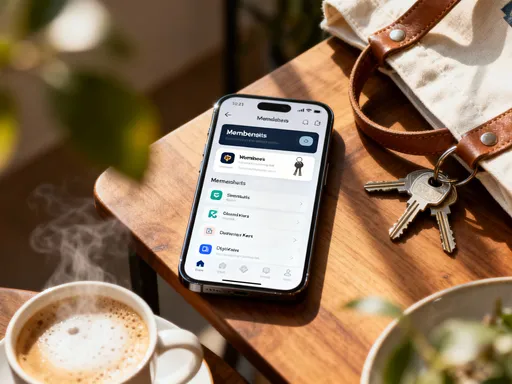
And it’s not just about one store. Some platforms now let you connect multiple loyalty accounts in one place. Imagine opening a single dashboard and seeing all your points—grocery, pharmacy, gas—organized in one view. No more logging into five different apps. No more wondering where you stand. It’s all right there, updated in real time. Some even suggest the best way to use your points based on your recent purchases. “You’re close to a free coffee,” or “Redeem now for a kitchen towel set.” These nudges make it easy to act—and to feel good about it.
The beauty of these tools is that they don’t ask for perfection. You don’t have to shop every week or earn points on every item. You just need to show up consistently. Over time, the app does the heavy lifting—tracking, reminding, suggesting—so you can focus on what matters: feeding your family, spending time together, and feeling in control.
From Points to Peace of Mind: The Emotional Payoff
At the end of the day, saving $20 on groceries feels nice. But the real reward runs deeper. It’s the quiet sense of relief when you realize you don’t have to stress about the grocery bill this week—because you’ve got points covering part of it. It’s the pride in knowing you’re making smarter choices, not just for your wallet, but for your family’s well-being.
And let’s talk about time. When you’re not running back to the store for forgotten ingredients or debating whether to order pizza *again*, you gain something priceless: presence. You can sit down with your kids and actually listen to their day. You can share a meal without rushing. You can breathe. These moments don’t show up on a receipt, but they’re everything.
There’s also the emotional weight of feeling like you’re getting ahead—even in small ways. In a world that often feels overwhelming, earning points gives you a sense of agency. You’re not just reacting to life. You’re shaping it. You’re teaching your kids that small, consistent actions lead to real results. That patience pays off. That working together makes life better.
And when you redeem those points for a family dinner, a game night, or a new kitchen tool, it’s not just about the item. It’s about the story behind it. “Remember how we saved up for this?” That’s connection. That’s legacy. That’s the kind of memory that sticks long after the meal is over.
Building Habits That Last Beyond the Honeymoon Phase
Here’s the truth: most people start strong with loyalty programs—and then fade out. Maybe they forget to use the app. Maybe life gets busy. Maybe the excitement wears off. And that’s okay. Building lasting habits isn’t about willpower. It’s about design. It’s about making the right choice the easy choice.
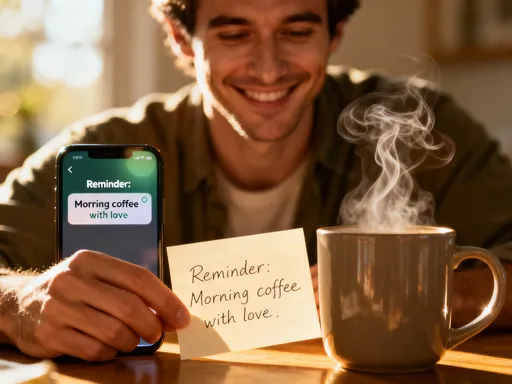
One simple strategy? Link your loyalty app to a daily habit you already have. For example, check your points every time you refill your coffee in the morning. Or review your balance while the kids eat breakfast. Another idea: set a monthly family meeting—just 10 minutes—to talk about your progress. Call it “Family Finance Fun Time” or “Reward Check-In.” Make it lighthearted. Add stickers or a small treat. The goal isn’t perfection. It’s consistency.
You can also tie rewards to existing traditions. Earn points all month, then redeem them for a special Friday night dinner. Or save up for a back-to-school celebration. When rewards are linked to moments you already value, they feel more meaningful—and you’re more likely to stick with it.
And if you miss a week? No guilt. Just start again. The beauty of these programs is that they’re forgiving. You don’t lose everything if you skip a trip to the store. You just pick up where you left off. Progress, not perfection, is the goal. And over time, those small efforts compound—just like your points.
A Smarter, Softer Way to Live—One Meal at a Time
Technology doesn’t have to be flashy to be transformative. It doesn’t need to buzz, beep, or require a manual. Sometimes, the most powerful tools are the quiet ones—the ones that slip into your routine and make life a little easier, a little calmer, a little more joyful. Loyalty programs, when used with intention, are exactly that. They’re not about chasing discounts. They’re about creating space—space in your budget, space in your schedule, space in your mind.
When you turn dinner into a team effort, you’re not just feeding bodies. You’re nurturing connection. You’re teaching your kids that value comes from patience, planning, and working together. You’re showing them that small actions—like scanning a card or checking an app—can lead to real rewards. And you’re giving yourself permission to feel proud of the little wins.
So the next time you’re standing in the grocery aisle, wondering what to cook, remember this: every choice matters. Every swipe of your card, every tap of your phone, every meal you plan with care—it all adds up. Not just in points, but in peace. In presence. In the quiet confidence that you’re doing your best, and it’s enough.
Because at the end of the day, family dinner isn’t just about food. It’s about showing up. It’s about being together. And when smart tech helps you do that with a little more ease and a little more joy, well—that’s a reward worth earning.