I forgot our anniversary again became I nailed it this year: How a simple app fixed my family memory game
We’ve all been there—blanking on a parent’s milestone, mixing up a sibling’s birthday, or realizing too late that a special date slipped by. I used to stress over these moments, until I discovered a quiet tech fix that changed everything. It wasn’t flashy, just thoughtful: a smart reminder system that blends into family life. This is the story of how one small tool helped me reconnect, stay present, and turn forgetful moments into lasting traditions. It didn’t make me more loving—I already loved deeply. But it helped me show it, consistently, in ways that mattered.
The Moment Everything Clicked
I still remember the silence on the other end of the phone. My mother had called, cheerful at first, asking if I’d done anything nice for my parents’ 40th wedding anniversary. My stomach dropped. I hadn’t just forgotten—I hadn’t even realized the date was near. I fumbled for words, something about being busy, a promise to send flowers the next day. But the pause told me everything. It wasn’t anger in her voice. It was disappointment, soft and quiet, the kind that settles in your chest and stays. She said, ‘It’s okay, honey. I know you’ve got a lot on your plate.’ But it wasn’t okay. Because love isn’t just about feeling—it’s about showing up. And I hadn’t.
That night, I sat at my kitchen table, scrolling through old photos on my phone. There were pictures of their silver anniversary, my dad grinning in a too-tight suit, my mom laughing as she cut the cake. I remembered how proud I’d felt watching them toast each other, how much that day had meant to all of us. And now, decades later, I’d let the same milestone pass unnoticed. Not because I didn’t care—I cared deeply—but because life had swallowed the date whole. Between school pickups, work deadlines, and the endless to-do lists, the one thing that mattered most had slipped through the cracks.
That was the turning point. I realized I couldn’t rely on memory alone anymore. Not because I was failing as a daughter or a sister or a friend, but because our brains aren’t built to hold everything in a world that demands constant attention. I needed help. Not a flashy gadget or some complicated system, but something gentle, something that understood family rhythms. I didn’t want technology to replace emotion—I wanted it to protect it. And that’s when I started looking for a better way.
Why We Forget—And Why It Hurts More Than We Admit
Forgetting a birthday or anniversary doesn’t make you a bad person. In fact, it makes you human. But that doesn’t make it hurt any less. We carry so much in our minds these days—passwords, appointments, grocery lists, school events, work projects—that the emotional dates, the ones tied to love and connection, often get pushed to the back. It’s not that we don’t care. It’s that we’re overwhelmed.
Psychologists call this cognitive overload—the brain’s way of saying it’s full. When we’re constantly switching tasks, checking notifications, and juggling responsibilities, our memory for personal, emotional events suffers. These aren’t the kinds of things our brains prioritize when survival mode kicks in. And yet, these moments matter. A missed birthday isn’t just a date forgotten—it can feel like a message: ‘You’re not important enough for me to remember.’ Even when that’s the furthest thing from the truth.
I started asking friends about this, and I was surprised by how many admitted they’d messed up a family date recently. One woman forgot her sister’s daughter’s first communion. Another missed her father’s retirement party because it was scheduled during a work trip she’d already forgotten about. These weren’t careless people. They were loving, busy, stretched-thin women just like me. And the guilt afterward was real. One friend told me, ‘I cried in the car after I realized what I’d done. Not because I’m dramatic, but because I never want my family to feel like an afterthought.’
And that’s the heart of it, isn’t it? We don’t want to be forgetful. We want to be thoughtful. We want to show up. But without support, even the most loving intentions can get lost in the noise of daily life. The good news? We don’t have to choose between being present and being practical. Technology, when used with care, can help us honor what matters most—without adding more stress.
From Guilt to Solution: Discovering Smart Family Reminders
I’d tried everything before—paper calendars on the fridge, sticky notes on the bathroom mirror, calendar alerts that screamed at me at 7 a.m. But nothing stuck. The sticky notes got thrown away with the grocery list. The calendar alerts? I’d snooze them, then forget. I needed something that fit into my life, not something else to manage.
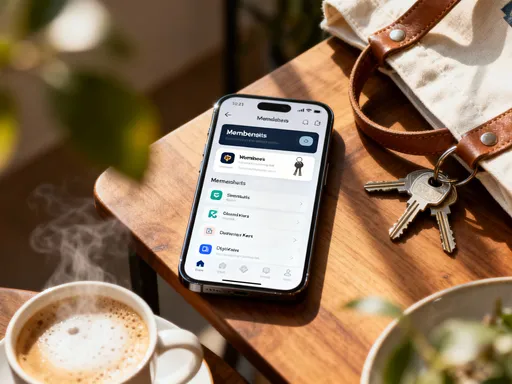
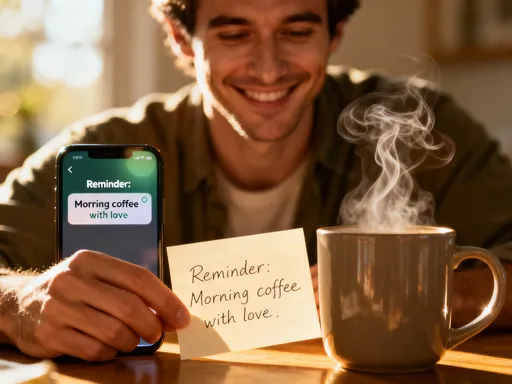
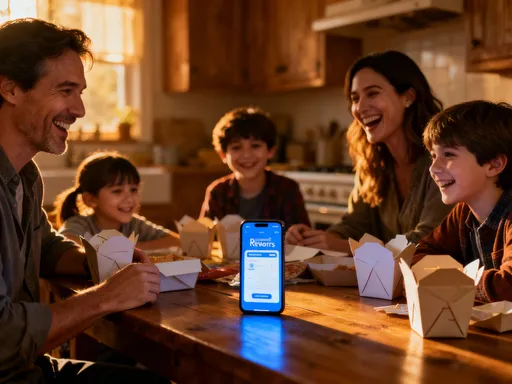
Then I stumbled on a simple app—privacy-focused, easy to use, and designed for families. No ads, no data mining, just a clean interface where I could add birthdays, anniversaries, even ‘just because’ dates like ‘Dad’s favorite fishing weekend’ or ‘Mom’s garden bloom day.’ I could upload photos, attach voice notes, and set reminders that didn’t feel like alarms. The first time I got a notification—‘Your mom’s birthday is in 7 days. Want to record a quick voice message?’—I actually smiled. It wasn’t a demand. It was an invitation.
What made the difference was how the app learned. It didn’t just remind me once. It sent gentle nudges—first a week out, then three days, then the morning of. And it adapted. If I skipped a reminder, it didn’t nag. If I responded with a ‘Got it,’ it moved on. I could share the calendar with my siblings, so we could all stay in sync. No more last-minute calls asking, ‘Did you get Dad a gift?’ Now we could plan together, split responsibilities, even surprise each other with coordinated gestures.
The shift was subtle but powerful. Instead of dreading the next forgotten date, I started looking forward to them. The reminders didn’t make me care more—they made it easier to act on the care I already felt. And that changed everything.
Turning Reminders into Rituals: How Tech Sparked a New Hobby
Here’s something I didn’t expect: the reminders didn’t just help me remember—they helped me enjoy the process. Instead of scrambling the night before a birthday, I started preparing days in advance. I’d bake my nephew’s favorite banana bread on the weekend, freeze it, and add a personal note. I began collecting old family photos and turning them into simple digital albums. I even started recording short voice messages for each person—just a few sentences saying why I loved them, what I remembered about them, what I hoped for them in the year ahead.
These small acts became a kind of ritual. I called it my ‘memory jar’—a digital folder for each family member, filled with photos, notes, and recordings, all triggered by the app’s alerts. And the more I did it, the more natural it felt. One month, I planted a small herb garden in my backyard—rosemary for remembrance, mint for joy, thyme for strength. I started calling it my ‘memory patch,’ and I’d take photos of it blooming around each person’s special day. My kids loved helping, and suddenly, family history wasn’t just dates on a calendar—it was alive, growing, tangible.
What began as a fix for forgetfulness turned into a creative outlet. I wasn’t just avoiding guilt anymore—I was building something meaningful. And the best part? My family noticed. My mom called me one day and said, ‘You’ve been so present lately. I don’t know what changed, but I love it.’ I didn’t tell her it was an app. I told her it was love. Because in a way, it was. The tech didn’t create the love—it just helped me express it.
Bridging Generations: When Grandparents Got Notified Too
One of the most beautiful surprises was how the app brought my older relatives into the loop. At first, I wasn’t sure they’d be interested. My grandmother doesn’t use smartphones much, and my grandfather still prefers paper letters. But the app had a voice-based feature—simple alerts that could be read aloud through a tablet or smart speaker. I set it up for them, showing them how to listen to a reminder: ‘Your granddaughter’s birthday is tomorrow. Would you like to send a voice message?’
Within a week, my grandmother started leaving sweet voice notes for the kids. ‘Happy birthday, sweet pea! Grandma loves you to the moon and back.’ My grandfather began sharing old photos ahead of family reunions—scanned images of my mother as a child, or him and my grandmother on their honeymoon. He’d say, ‘I saw the reminder, so I thought I’d dig these out.’ Those photos sparked conversations we’d never had before. My kids asked questions about the past. My mom cried when she saw a picture of her parents dancing at a county fair in the 1960s.
The app became a bridge—not between devices, but between hearts. It wasn’t about making my grandparents ‘tech-savvy.’ It was about making it easy for them to show love in their own way. And for the first time, they weren’t the ones being remembered—they were active participants in remembering, too. That shift meant everything.
Beyond Dates: Building a Culture of Care
The changes went deeper than birthdays and anniversaries. Once the reminders became part of our routine, something shifted in how we related to each other. It wasn’t just about marking dates—it was about cultivating attention. I started making surprise calls just because. I’d hear a song that reminded me of my sister and send her a quick voice note. I planned spontaneous visits to my parents, showing up with a casserole and a hug.
And it spread. My siblings began coordinating gifts. My cousin started a family playlist, adding songs that reminded her of different relatives. We planned a reunion that had been talked about for years but never happened. The app didn’t create these connections—it made them easier to act on. It turned intention into action.
What emerged was a culture of care. Not perfection. Not grand gestures every day. But consistency. Thoughtfulness. Presence. We weren’t just remembering dates—we were remembering each other. And that made all the difference.
Making It Your Own: Simple Steps to Start Today
If you’re reading this and thinking, ‘I need this,’ I’ll tell you—it’s easier than you think. You don’t need to be tech-savvy. You don’t need to overhaul your life. Start small. Pick one person. One date. Your mom’s birthday. Your child’s first day of school. Just one.
First, choose an app that respects your privacy and works across devices—something simple, without clutter. Look for features like voice reminders, photo uploads, and gentle nudges. Invite one family member to join—not with pressure, but with warmth. Say something like, ‘I want to remember what matters. Would you like to do this with me?’
Customize your alerts. Add a photo of the person. Attach a favorite song. Record a voice note saying, ‘Thinking of you.’ Make it personal. Make it yours. And don’t worry about doing it perfectly. Miss a reminder? That’s okay. The goal isn’t flawlessness—it’s showing up, again and again, in ways that say, ‘You matter to me.’
Over time, you might find, like I did, that the reminders become more than alerts. They become invitations—to reflect, to create, to connect. They don’t replace your love. They help you live it. And in a world that pulls us in a hundred directions, that might be the most powerful tech of all.