I kept saying 'He’s fine alone' — until the panic call changed everything
We’ve all been there — leaving our pet at home, telling ourselves they’re safe, only to spend hours worrying. I did too, until a single unexpected moment made me realize how fragile that peace of mind really was. That’s when I discovered pet safety monitoring — not as a gadget, but as a lifeline that transformed how I care for my furry family member. It didn’t just track movement; it restored trust in everyday freedom. What started as a quiet hope for reassurance became a profound shift in how I show up for my dog — and myself. This isn’t about overprotectiveness. It’s about showing love with clarity, care with confidence, and parenting with purpose.
The Moment Everything Changed
I remember that Tuesday like it was yesterday. My dog, Max, had been with me for nearly seven years. A rescue with gentle eyes and a habit of leaning into my leg when he was unsure. That morning, he gave me his usual nudge at the door, tail half-wagging, as I grabbed my keys. I told myself, 'He’s fine. He’s done this a hundred times.' I kissed the top of his head, left some treats, turned on the living room radio for background noise, and walked out, feeling like a responsible pet parent.
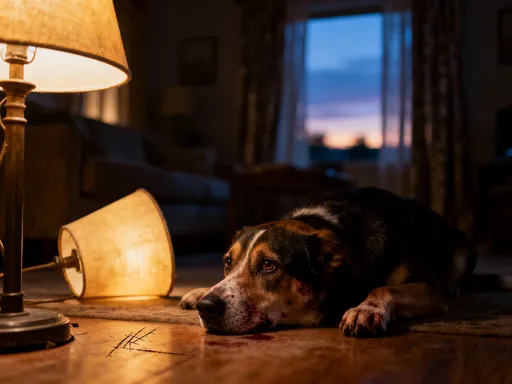
By the time I got the call from my neighbor, my stomach dropped before I even answered. 'Something’s wrong with Max,' she said. 'He’s pacing in the backyard, limping, and won’t come when I call.' I rushed home, heart pounding, imagining every worst-case scenario. When I pulled into the driveway, there he was — circling near the fence, one paw held up, ears flat, eyes wide with panic. He’d somehow gotten through a loose board, tried to jump the neighbor’s fence, and twisted his leg. The vet later confirmed it was a minor sprain, but the emotional toll wasn’t minor at all.
What hit me hardest wasn’t the injury — it was the guilt. I had assumed he was safe because I loved him. I had believed that because he’d never done anything like this before, he never would. But animals don’t always show their stress until it erupts. That day, I learned a hard truth: love is essential, but it’s not enough to keep our pets safe. We need awareness. We need tools. We need to see what’s really happening when we’re not there.
Life Before Pet Monitoring: Living on Assumptions
Before Max’s incident, I thought I was doing everything right. I provided good food, regular walks, vet checkups, and plenty of affection. I believed that because Max wasn’t destructive or loud when left alone, he was okay. I didn’t realize that quiet doesn’t always mean calm. In fact, some of the most serious pet issues — separation anxiety, silent pain, subtle behavioral shifts — happen in silence.
Looking back, there were signs I missed. The chewed edge of the rug I dismissed as 'just a phase.' The puddle on the kitchen floor I blamed on spilled water. The way he’d stare at the door long after I left — I thought it was loyalty, not longing. We tell ourselves stories to ease our guilt, don’t we? 'He’s just bored.' 'He’ll grow out of it.' 'He’s fine — he’s got the whole house!' But the truth is, pets can’t tell us when they’re scared, hurt, or unwell. And without a way to see or hear them, we’re parenting blindfolded.
That constant low hum of worry? It becomes normal. You learn to live with it, like background noise. You tell yourself you’re being dramatic for checking your phone every ten minutes, hoping for a sign. But it’s not drama — it’s care. It’s love trying to find a way to protect. And when something finally goes wrong, you realize how long you’ve been holding your breath, waiting for the other shoe to drop. That silence wasn’t peace. It was uncertainty wearing a calm face.
Discovering the Right Kind of Help
After Max’s injury, my vet asked a simple question that changed everything: 'Have you ever thought about monitoring his behavior when you’re not home?' I laughed at first. 'You mean like a baby camera?' She nodded. 'Exactly — but smarter. There are systems now that don’t just show you video. They learn your pet’s routines and alert you when something’s off.'
I was skeptical. I didn’t want to turn my home into a surveillance lab. I didn’t want to obsessively watch Max every second. But the idea of a system that could actually help me understand his behavior — not just watch it — intrigued me. So I started researching. I quickly learned there’s a big difference between a basic pet camera and a real safety monitoring system. The first shows you what’s happening. The second helps you understand why.
I found a system with motion tracking, sound recognition, and behavioral alerts. It learned Max’s normal patterns — when he napped, when he ate, when he paced near the door. Within days, it flagged an alert: 'Unusual pacing detected — duration: 18 minutes.' I checked the live feed and saw Max walking tight circles near the window. I played a calming voice message through the two-way audio — 'It’s okay, buddy, Mama’s proud of you' — and within minutes, he settled down. That moment hit me hard. This wasn’t about spying. It was about support. It was about finally being able to respond — not just regret.
How Coordination Brings Calm
One of the most powerful things I’ve learned is that technology works best when it connects people, not replaces them. My pet monitoring system didn’t make me less involved — it made me more connected. And it gave me a way to include others in Max’s care, which made all the difference during busy or stressful times.
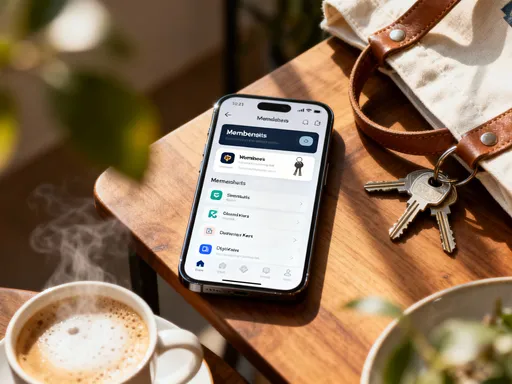
Take last month, for example. I was in a work meeting when my phone buzzed: 'High-pitched barking detected.' I couldn’t leave the room, but I could open the app, see Max barking at the mail carrier, and use the two-way speaker to say, 'Max, shh — it’s okay!' Hearing my voice calmed him instantly. Later, when I had to leave town for a family emergency, I gave temporary access to my neighbor. She received an alert about unusual stillness and checked in — only to find Max hadn’t eaten. She coaxed him with broth and sent me a video update. That coordination — between tech and trust — kept Max safe and kept me sane.
This is the real magic: the system doesn’t take over. It enables. It gives you the information you need to act — and the peace of knowing someone else can act, too. Whether it’s a family member, a pet sitter, or a trusted friend, shared access turns worry into teamwork. And when you’re juggling work, home, and life, knowing you’re not alone in caring for your pet is everything.
Real Changes in Daily Life
The shift didn’t happen overnight, but looking back, the change is undeniable. I used to cut errands short, skip coffee with friends, or rush home just in case Max was anxious. Now, I can stay out for dinner, attend evening classes, or even take a weekend trip — not because I don’t care, but because I care more wisely.
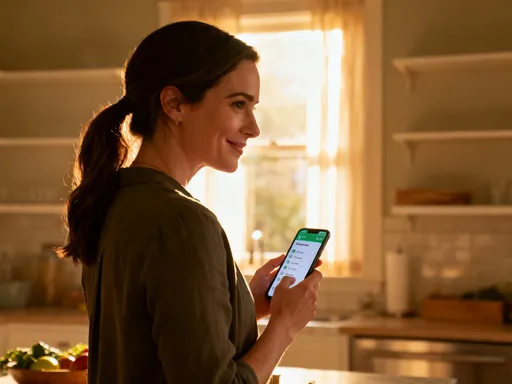
One of my favorite moments? Watching Max nap peacefully on the live feed while I’m folding laundry. No imagining, no worrying — just seeing. It sounds simple, but it’s everything. That visual reassurance — knowing he’s safe, warm, and relaxed — has lifted a weight I didn’t even realize I was carrying. And the ripple effect? Better sleep for me. Less stress. More patience. Even my family has noticed — I’m calmer, more present, less distracted by the 'what ifs.'
But it’s not just about me. Max is calmer too. With consistent routines and timely reassurance, his anxiety has decreased. He no longer paces when I leave. He goes to his bed, curls up, and waits. The system even helped us adjust his feeding schedule based on when he was most active. It’s amazing how much more effective care becomes when you’re working with real data, not guesswork. We’re not just living together — we’re understanding each other.
Choosing What Fits Your Life
If you’re considering pet monitoring, I’ll be honest: the options can feel overwhelming. There are cameras with treat dispensers, collars with GPS, systems with facial recognition for pets. It’s easy to get lost in features you don’t need. What I’ve learned is this: the best system isn’t the fanciest one. It’s the one that fits your life, your pet, and your peace of mind.
For me, the essentials were simple: motion and sound alerts, clear night vision, two-way audio, and a reliable app. I didn’t need a treat launcher — I needed to know if Max was in distress. I also prioritized battery backup, so the system stays on during power outages. Placement matters too. I put the camera in the living room, where Max spends most of his time, at a height where I can see his full body — not just his tail wagging.
Privacy was another concern. I chose a system with end-to-end encryption and local storage options, so my data stays mine. And I made sure everyone in the household — and anyone with access — understood how to use it responsibly. This isn’t about constant surveillance. It’s about having a safety net. It’s about using technology to support love, not substitute for it. Start small. Try one feature. See how it feels. You don’t have to do everything at once.
More Than a Device — Peace That Stays With You
Today, when I leave the house, I still kiss Max on the head. But now, I do it with a different kind of confidence. I know that if something happens, I’ll know. Not because I’m watching every second, but because the system is tuned to what matters. It’s like having a quiet partner in parenting — one that helps me be there, even when I’m not.
This journey wasn’t just about preventing another accident. It was about redefining what it means to care. I used to think being a good pet parent meant being physically present all the time. Now I know it means being emotionally and practically prepared — using every tool available to love more effectively. Technology didn’t distance me from Max. It brought me closer.
Peace of mind isn’t the absence of worry. It’s the presence of readiness. It’s knowing you have a way to respond, to help, to connect. And for someone like me — a woman juggling home, heart, and responsibility — that kind of support isn’t just helpful. It’s freeing. So if you’ve ever stood at the door, hand on the knob, wondering if your pet is really okay… know this: you don’t have to wonder anymore. There’s a way to see, to hear, to know. And sometimes, that knowledge is the greatest act of love you can offer.